
Leveling the mining playing field
By Letters to the Editor | The Manila Times | November 18, 2026
Leveling the mining playing field
Philippine research, Asean cooperation and the promise of Pax Silica
THE Philippines will own the technology to process what it mines.
While the world chases rare earths, the Philippines holds a different advantage. The metals we already dig in quantity — nickel, iron and chromium — become alloys that industry buys every day, with no rare-earth element required. Processing them at home keeps value in the country, builds skills in our mining provinces and secures the Philippines a place in the supply chains now being redrawn around us. The opportunity is ours, and the time is now.
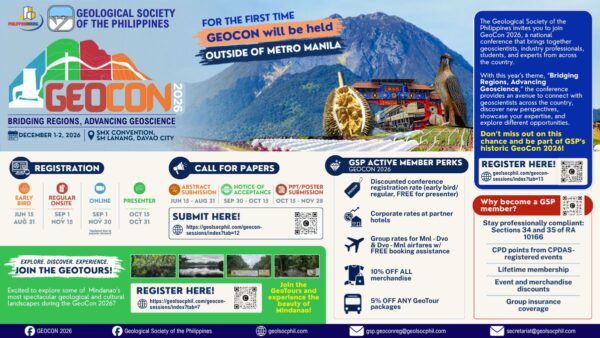
GEOCON 2026: BRIDGING REGIONS, ADVANCING GEOSCIENCE)
The Philippines was the world’s second-largest nickel miner in 2024, according to the US Geological Survey. In 2025 we exported 55.08 million metric tons of nickel ores and concentrates worth $1.47 billion, the Philippine Statistics Authority reports. China and Indonesia bought nearly all of it, and the refining, and the value it adds, happened there.
Environment and Natural Resources Secretary Juan Miguel Cuna, on the same afternoon that I presented my R&D collaborator Prof. Paul Pajo and his paper, “Rare-Earth-Free HighCurie-Temperature Magnetic Alloys from Philippine Mineral Resources,” formed a technical working group under engineer Michael V. Cabalda, assistant secretary for mining concerns, with the Mines and Geosciences Bureau (MGB). The tests will set the pace. We all gain from this.
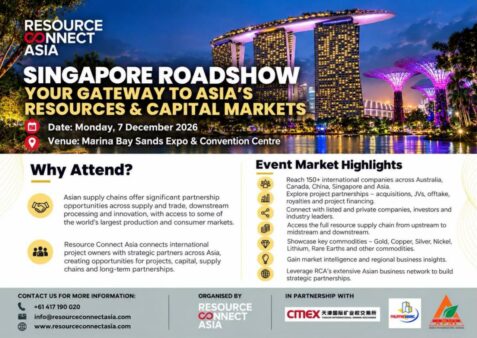
Resource Connect Asia: Singapore Roadshow – Your gateway to Asia’s resources, energy and supply chain
Executive Order 122, signed Aug. 18, 2026, makes processing critical minerals at home national policy. Government and industry are now identifying the products worth building plants for.
Paul Pajo, who heads Benilde HIFI, the technology business incubator of De La Salle-College of Saint Benilde, has written a paper on one candidate. He proposes nickel-iron and ironchromium alloys for soft magnetic uses such as sensor cores and magnetic shields. These alloys contain no rare earths and draw on minerals we already mine.
The first samples will use imported refined nickel and ferroalloy while local supply develops, with power costs built into the plan. The MGB and partner laboratories will make samples to a set specification, test them against commercial products and publish the results.
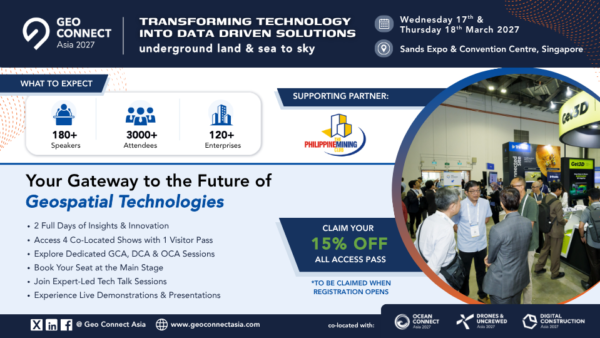
Geo Connect Asia 2027 Exhibit & Conferences: Transforming technology into data-driven solutions
Pax Silica, the US-led supply-chain initiative that the Philippines joined on April 16, covers minerals refining and processing. Investors will bring and share technology and buy from local suppliers. Indonesia, our largest Asean partner in nickel and a processor in its own right, is a natural ally in Asean talks on shared testing standards.
We will know the program works when buyers accept products that Filipino workers made here from Philippine ore, and when children in mining towns can picture jobs in a laboratory.
Mary Rose Magsaysay
Source: The Manila Times
.