

Staff picks: policy changes to revolutionise Australia’s mining sector
By Yoana Cholteeva, Matthew Farmer, Matthew Hall, JP Casey | Mining Technology |17 Jun 2021 16:07
With Australia reportedly mulling a net-zero emissions target that could bring its climate goals in line with other countries while also having a major effect on the country’s mining industry, our staff writers each identify one policy they would enact to equip Australia’s mining sector for the challenges ahead.
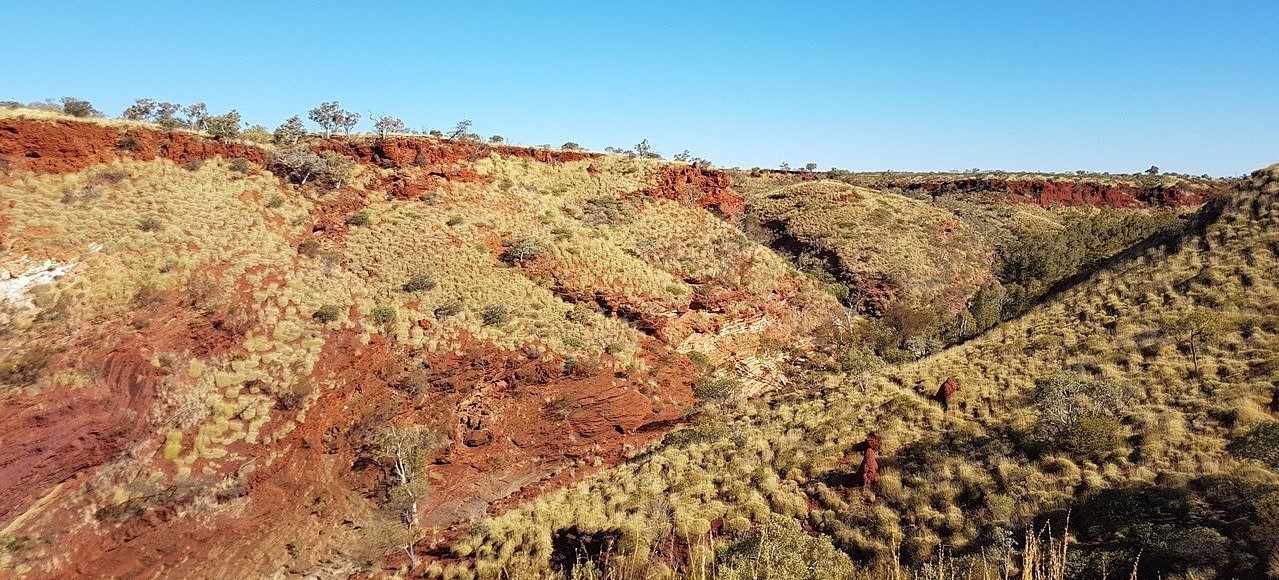
Our writers picked out the key areas that Australian mining policy could do with an overhaul. Source: Renata Wright
Mining is of critical importance to the Australian economy – Prime Minister Scott Morrison famously handed around a lump of coal in Parliament, taunting the Opposition’s commitment to green energy with the assurance that “it’s coal, it won’t hurt you”. The mining industry continues to be Australia’s largest single sector, making up the largest share of GDP.
At the same time, the industry risks being left in the past, and new challenges in a changing world mean that an industry and policymakers that have been averse to change may have to begin considering the future. Our writers picked out the key areas that Australian mining policy could do with an overhaul.
JP Casey: Australia must diversify its trading partners
Mining remains a cornerstone of the Australian economy, with Statista reporting that in the 2020 financial year, the state’s export of iron ore alone was worth around $65bn.
However, much of the value associated with these exports is tied to China, with its vast appetite for iron ore dominating Australian supply. Figures from the World Integrated Trade Solution found that in 2018, Australian exports accounted for nearly half of all Chinese mineral imports.
The disadvantages of this reliance have become clear in recent months, with political tensions between the countries leading to a Chinese ban on Australian iron ore, a move which threatened the fabric of the Australian mining industry.
In response, Australia could look to other countries as potential export destinations, as their domestic mines show little sign of easing production. One potential trading partner is Japan, where relations are already governed by the Japan-Australia Economic Partnership Agreement, which Australia dubbed “a high-quality trade agreement that substantially liberalises Australia’s trade with a major economy” in 2014.
A year prior, Australia was responsible for more than 60% of Japan’s black coal imports, and over 50% of its iron ore imports, establishing a recent history of effective trading and legislation designed to encourage international cooperation.
Alternatively, the Philippines could emerge as a strong trading partner. Eager to recover from the Covid-19 pandemic, the Philippines is likely to want Australian raw minerals in the future. In 2018, Australian mineral exports made up one-quarter of the Philippines’ imports, generating a value of more than $400m.
Source: Mining Technology